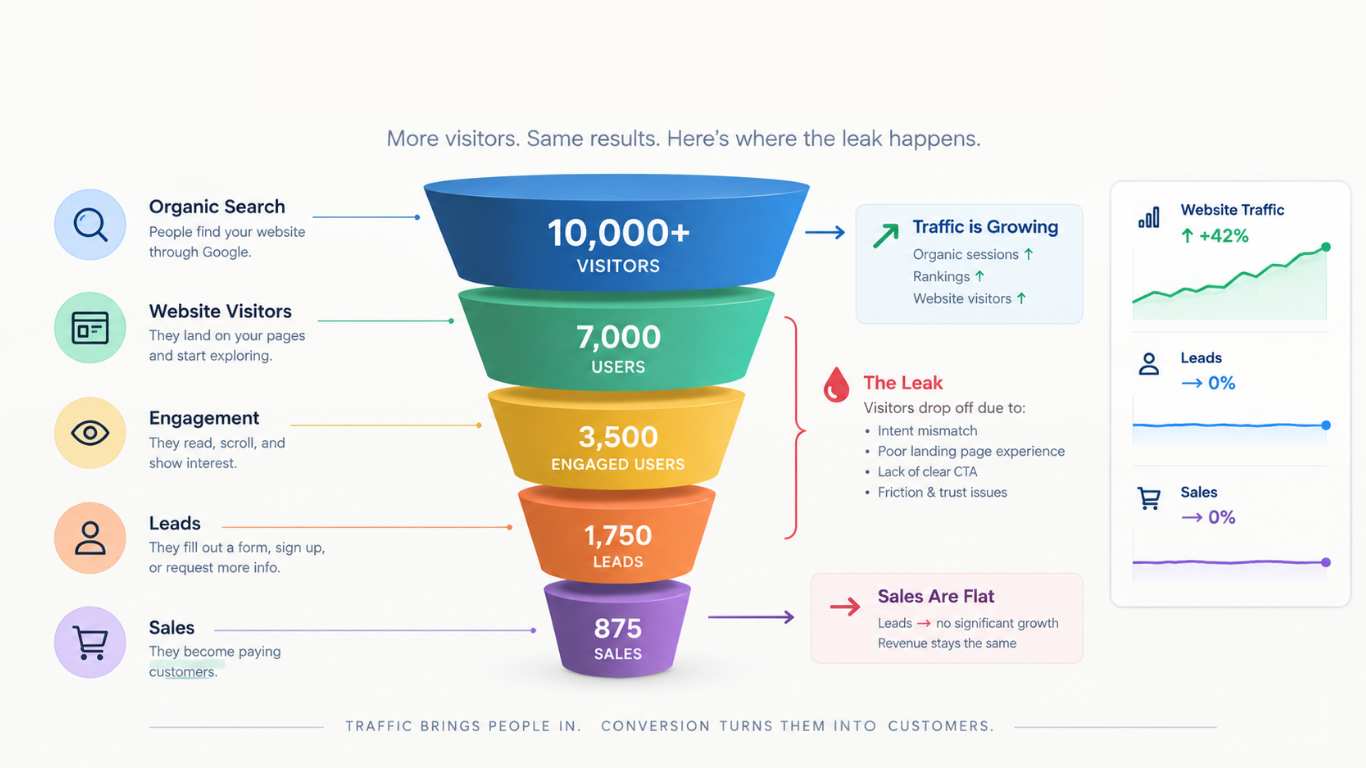
Here's a number that should change how you think about the traffic you're already paying for: only around 2% of website visitors convert on their first visit. The other 98% clicked, looked, and left, and most businesses respond to that by spending more to acquire the next batch of visitors rather than recovering the ones they already paid for. A solid retargeting ads guide starts from a different premise: that traffic is the cheapest, highest-intent audience you'll ever have access to, and letting it walk away without a structured second attempt is the most expensive mistake in most paid media accounts.
This isn't a beginner's overview of "what is retargeting." You already know the concept. This is the setup framework, the frequency and sequencing decisions, and the mistakes that turn a genuinely effective tactic into the thing that makes people resent your brand instead of trusting it.
For most of the past five years, every retargeting conversation eventually turned into a conversation about the death of third-party cookies. That conversation is over, and the ending surprised almost everyone. Google abandoned its cookie deprecation plan entirely, first scaling back to a user-choice prompt in mid-2024, then dropping that prompt altogether in April 2025, and formally retiring most of its Privacy Sandbox APIs in October 2025 after citing low adoption. Third-party cookies remain active in Chrome today, with no deprecation timeline on the table.
That reversal means the retargeting funnel setup you build today isn't racing against an expiration date the way it was as recently as 2023, when most marketing teams were bracing for a fundamentally different measurement landscape. It also means the businesses that spent two years rebuilding entirely around first-party data and server-side tracking, out of caution, now have a genuine head start, since first-party retargeting infrastructure performs better regardless of what happens with cookies. Chrome's reversal is a reprieve, not a reason to stop investing in more durable tracking.
The performance case for retargeting isn't close, and it's worth grounding the framework below in real numbers before building anything, since the whole point of a framework is to reflect what actually works rather than what sounds reasonable.
Key insight: the data consistently rewards specificity, showing someone the exact product they viewed, at the moment closest to their original visit, over generic brand reminders shown indefinitely. Most underperforming retargeting campaigns aren't failing because retargeting doesn't work. They're failing because they're too generic and running too long without a frequency plan.
This is the sequence we walk clients through when building a retargeting funnel from scratch, whether that's their first campaign or a rebuild of one that's stopped performing.
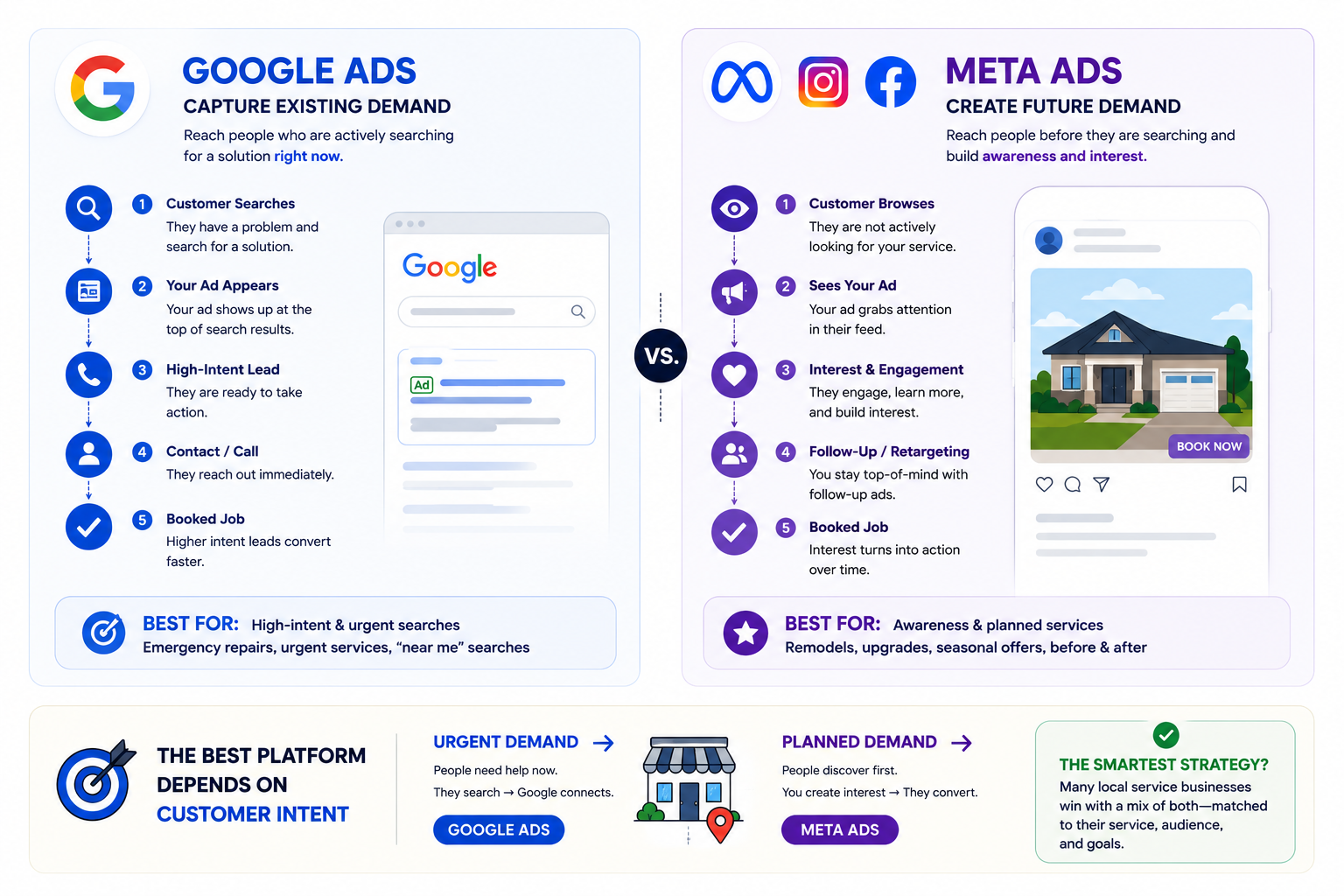
We cover the platform-specific setup for this in more depth in our guide to splitting ad budget between Google and Meta, since retargeting budget allocation follows slightly different logic than prospecting budget.
Most retargeting conversations default straight to display and social, but search retargeting, formally called Remarketing Lists for Search Ads or RLSA, deserves a place in the same funnel and often gets skipped entirely. RLSA lets you adjust bids and messaging specifically for people who've already visited your site when they later return to Google and search again, which is a fundamentally different, higher-intent moment than a display impression scrolling past on a news site.
The economics make a strong case for including it. RLSA campaigns average roughly $1.68 per click, but that figure runs 15% to 22% cheaper than standard search ads targeting the same keywords, because the audience's prior visit makes them more relevant and improves quality signals. For a business already running search ads on competitive terms, layering an RLSA bid adjustment for past visitors is one of the lowest-effort additions to a retargeting funnel, since it uses ad copy and landing pages you've likely already built for prospecting campaigns.
The practical setup: create a remarketing list of site visitors inside Google Ads, apply it as an audience to your existing search campaigns as an observation or bid-adjustment layer rather than a separate campaign, and consider writing one or two ad variants specifically acknowledging the return visit, "still comparing options?" performs better than repeating your standard first-visit ad copy to someone who's already seen your site once.
Because frequency is the single most common mistake in remarketing ads, it's worth laying out the current benchmarks by use case rather than applying one blanket rule across every campaign.
Display and social retargeting get most of the attention, but the strongest recovery numbers come from combining channels rather than picking one. Cross-channel campaigns pairing email, display, and social retargeting recover more than twice as many abandoned orders as single-channel retargeting alone.
Email deserves specific attention here because it's frequently treated as a separate function from paid retargeting rather than part of the same funnel. A visitor who abandoned a cart and provided an email address at checkout can be reached by both a remarketing display ad and a cart-recovery email sequence simultaneously, and the two channels reinforce each other rather than competing for the same attention. Personalized recovery emails, ideally paired with a modest incentive like limited-time free shipping, meaningfully increase recovery rates on their own, and layering paid retargeting alongside that sequence compounds the effect rather than diluting it. A business running email and paid retargeting as separate workstreams, managed by different people with no shared calendar, will often end up sending redundant or conflicting messages in the same week, which undoes much of the coordination benefit that makes cross-channel retargeting outperform either channel alone.
An ecommerce client came to us with strong top-of-funnel traffic from paid search and social, decent product pages, and a checkout abandonment rate above 75%, well above their industry's already-high average. Their only retargeting effort was a single static display ad shown to every site visitor for 30 days regardless of what they'd done on the site.
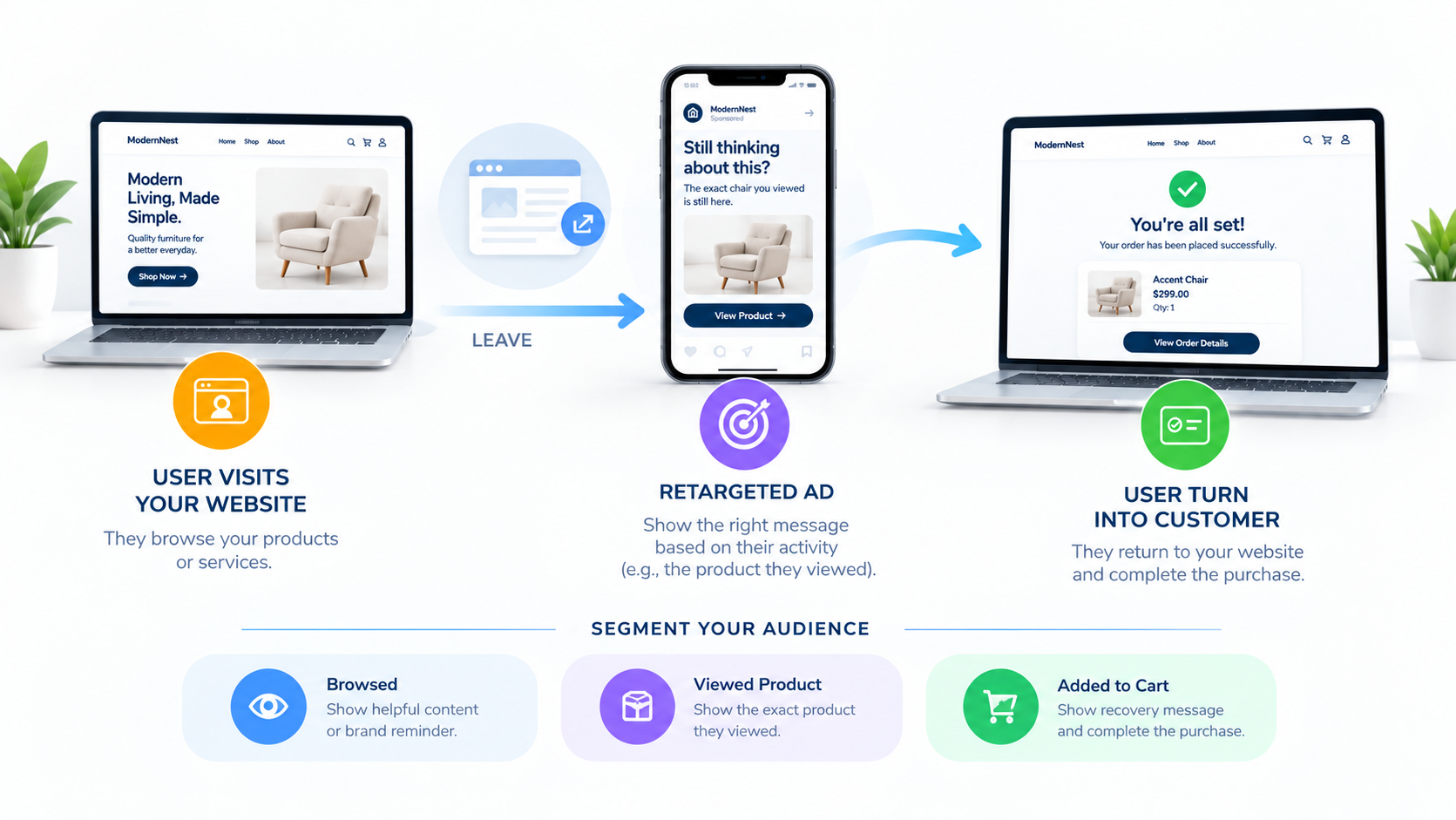
We rebuilt the funnel around three segments: cart abandoners, product-page viewers who never added to cart, and general site browsers. Cart abandoners saw dynamic ads showing the exact items left behind, launched within hours of abandonment and capped aggressively after the first 48 hours. Product-page viewers saw a broader offer highlighting a related bestseller rather than the exact item, since their intent was softer. We layered a cart-recovery email sequence alongside the display retargeting for anyone who'd provided an email at checkout. Recovered revenue from abandoned carts increased meaningfully within the first month, and overall retargeting spend became noticeably more efficient once frequency caps stopped burning budget on audiences who'd already tuned the ads out. The client's team was initially skeptical about capping impressions at all, worried that fewer touches would mean fewer conversions, but the data proved the opposite: a tighter, better-sequenced funnel outperformed the uncapped blanket campaign on every metric that mattered, including total revenue recovered.
A working retargeting ads guide isn't about running one more ad campaign alongside your prospecting budget. It's about treating the traffic you've already paid for as the highest-value audience in your account, segmenting it by actual intent, and respecting frequency and timing enough that the second chance feels like a nudge rather than a nuisance. The data is unambiguous on the upside: retargeted visitors convert dramatically better than cold traffic, and the cookie landscape that once threatened to make this harder has, for now, stabilized rather than collapsed, giving marketers more runway than they expected to build this properly.
If your traffic is steady but your first-visit conversion rate is flat, the fix usually isn't more traffic. It's a properly segmented, frequency-disciplined retargeting funnel built around the visitors you already have, rather than another round of spend chasing people who've never heard of you.
Ready to see where your retargeting funnel is leaking recoverable revenue? Get a free retargeting funnel audit and we'll walk through your segmentation, frequency caps, and sequencing to find what's costing you conversions right now.